Turkana Artists Xchange

The Turkana Artists Exchange began as a collaborative exploration bringing artists from Nairobi and to create work inspired by northern Kenya.

In the first phase of the project, 10 artists traveled around Turkana County

including to the oil fields in the south, Lodwar in central and the lake zone.

The collaborations resulted in seven projects with bold visuals and a new way

of thinking that is modern yet deeply rooted in tradition.


The project has since grown, training more than 40 creatives from Northern

Kenya every year on growing their artistic practice, building sustainable

livelihoods both within and outside the creative sector, the power of creative

collaboration and engaging with relevant stakeholders in order to become

leaders who transform their communities through the power of art.

2025 Proposal Writing

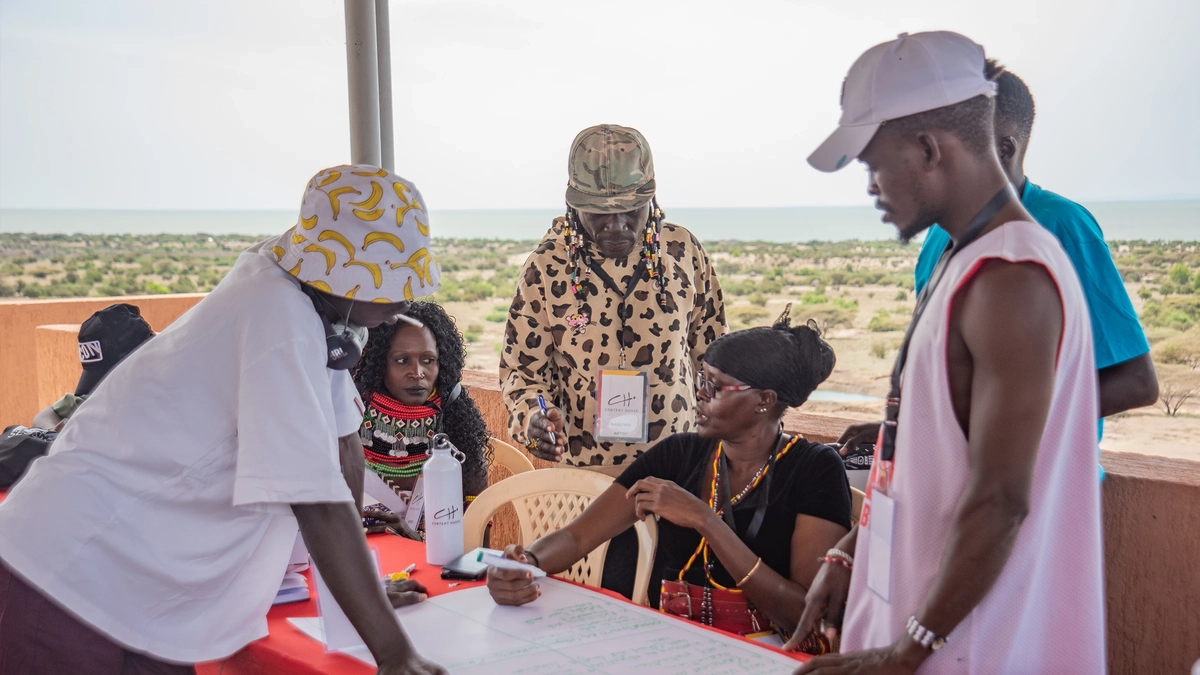
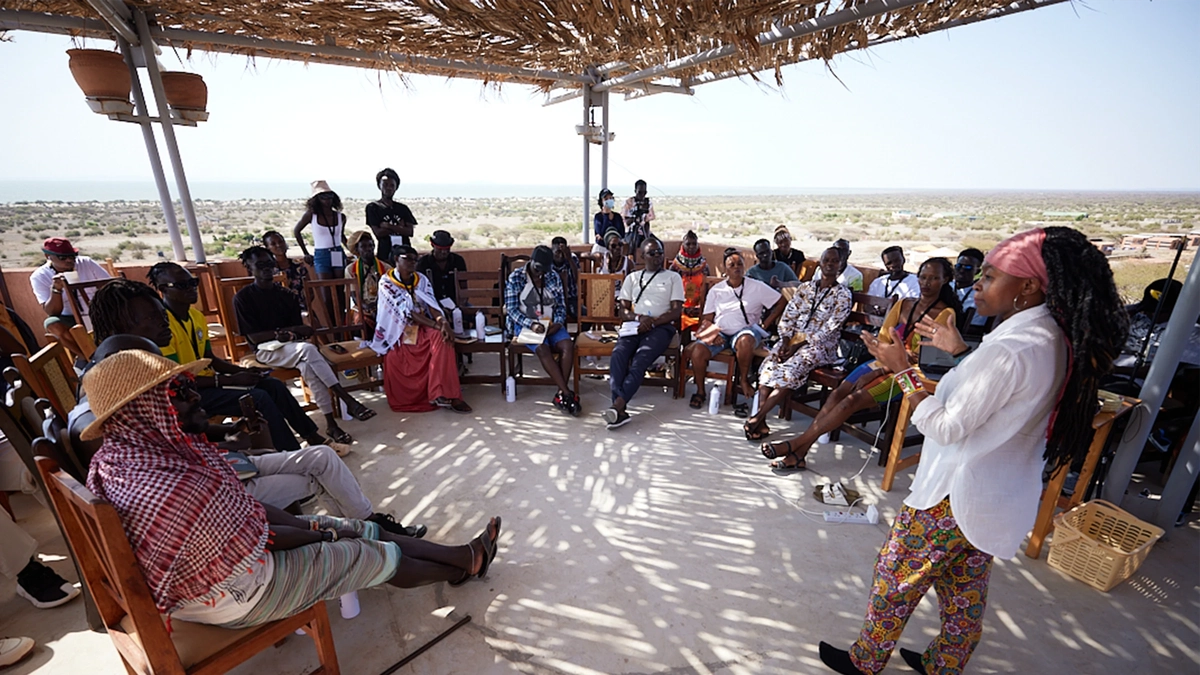
The proposal writing sessions equipped artists with the skills to translate their ideas, values and community realities into clear, compelling funding proposals.

2025 Proposal Writing's Image


Building on earlier mindset shifts around initiative and collaboration, the training

helped artists articulate their projects with confidence, define achievable goals,

and align their creative work with broader social and environmental impact.

By grounding proposals in lived experience, cultural knowledge, and locally

relevant solutions, artists learned to present their work not just as art, but as

meaningful interventions worthy of support.


The training culminated in artists undertaking small, community-based projects

that allowed them to experience the full cycle of developing, pitching, and

implementing an idea. Through this hands-on process, they gained practical insight

into budgeting, storytelling for funders, and measuring impact without losing

authenticity. This real-world application has strengthened their ability to

independently fund and deliver projects, positioning them to sustain their work,

attract partners and expand their role as cultural leaders within their communities.


Facilitator

Oliver Wanyama

2025 Climate Forum

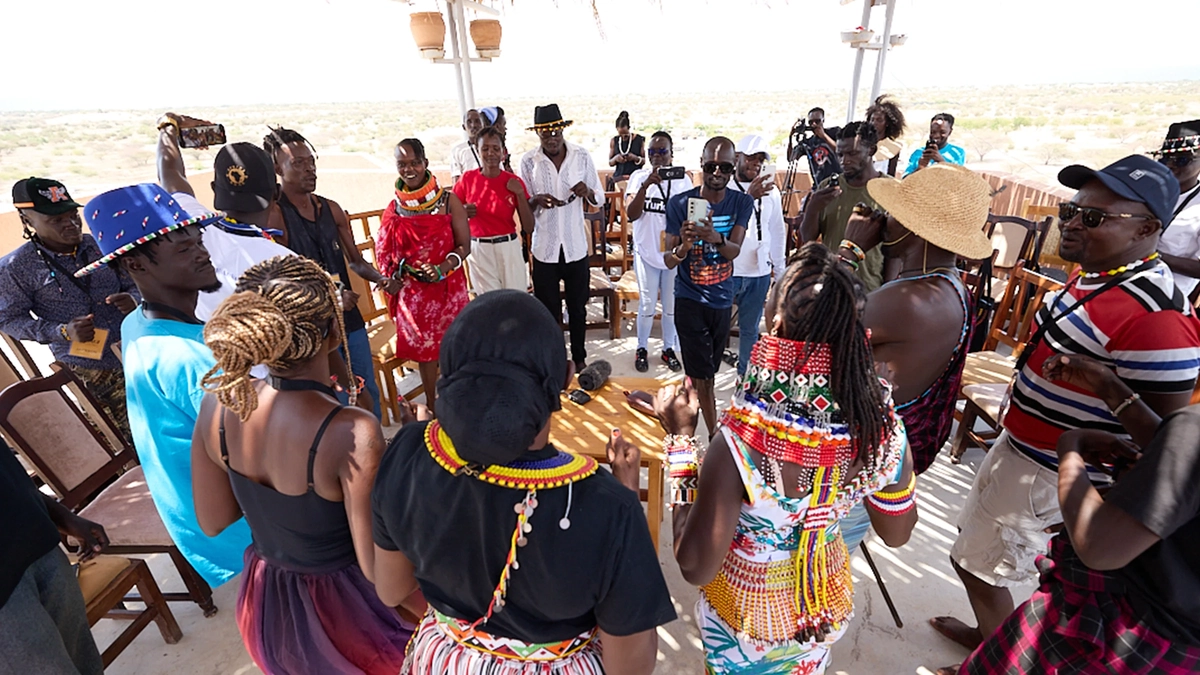
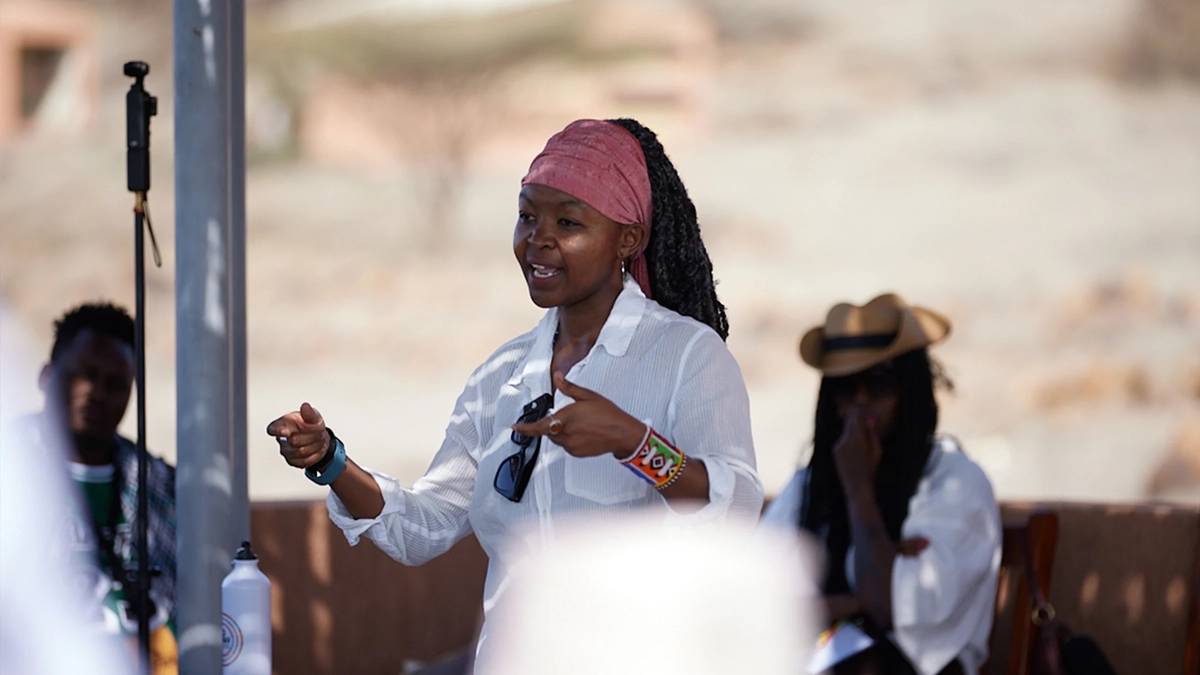
This session enabled artists to approach the climate crisis from a place of their own knowledge and traditions.

Facilitated by Emily Wanja, who has led the Africa climate desk at Doc Society

for many years and brought extensive experience from working with indigenous

communities in Latin America and on the continent that fused traditional

knowledge with current advocacy models.


Communities are now considering practical responses such as tree planting,

recycling, or conservation practices that feel achievable and relevant to their lives.

Artists and communities are also empowered to participate in national and global

conversations from a place of their own lived experiences.


Conversations around climate change have shifted since artists began linking the

issue to everyday realities such as travelling farther to find pasture for livestock,

increasing food prices and rising temperatures. By framing the crisis in terms people

encounter daily, artists made it clear that climate change is not distant but already

shaping community life.


This way has enabled residents to approach global issues with their own knowledge

and traditions. Communities are now considering practical responses such as tree

planting, recycling, or conservation practices that feel achievable and relevant to their

lives. Artists and communities are also empowered to participate in national and

global conversations from a place of their own experiences.


Facilitator

Emily Wanja (Docsociety, Africa Climate Desk)
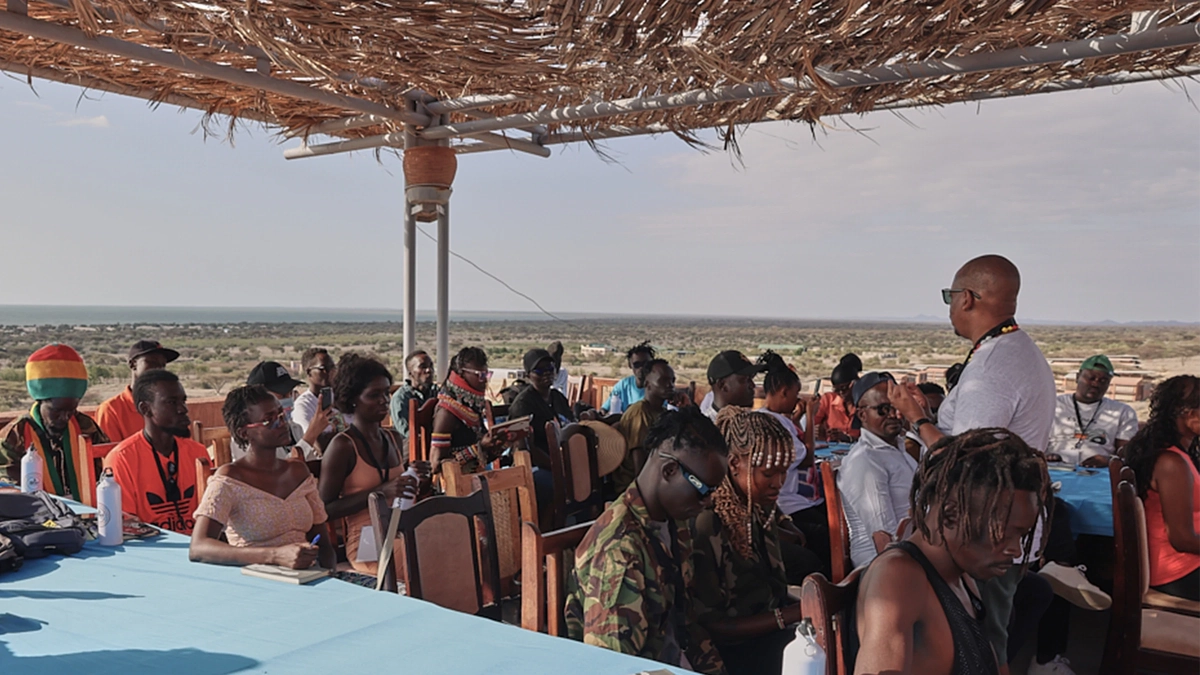
2025 Artistry & Impact

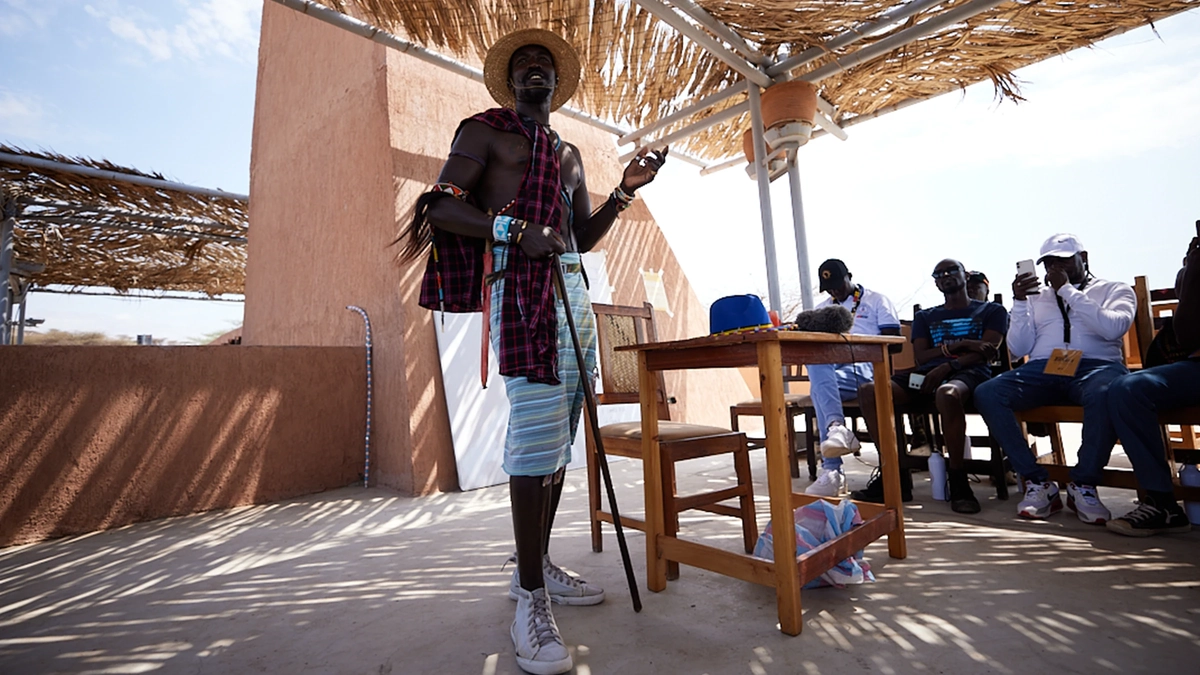
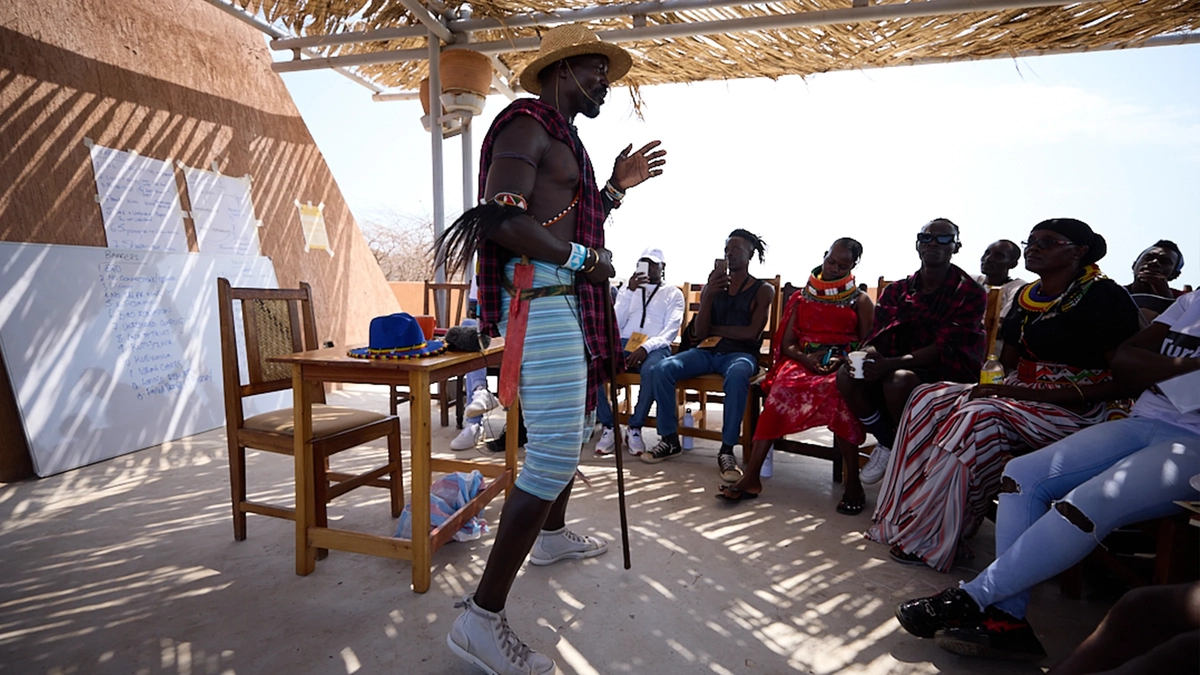
The training session focused on a fundamental mindset shift: taking initiative, working with available resources, and recognizing the strength that comes from collaboration.

2025 Artistry & Impact's Image

Artists were encouraged to move beyond limitation thinking and

to partner with like-minded creatives to amplify their collective voice. Alongside

this shift in perspective, the sessions provided practical knowledge and hands-on

skills that helped artists strengthen their craft, sharpen their storytelling, and

expand the social and cultural impact of their work.


Through performances, digital campaigns and collaborative projects, the artists

broadened their reach and began reshaping how Turkana is perceived. Their music

and stories challenged narratives centered on hardship, instead presenting Turkana

as a place of beauty, talent and deep cultural richness. This growing visibility has

sparked conversations and nostalgia among audiences who had felt disconnected

from home, while opening new pathways for the artists to engage wider audiences

and collaborators. In doing so, they are positioning themselves as cultural

ambassadors and redefining Turkana as a vibrant source of creativity and possibility.


Facilitators

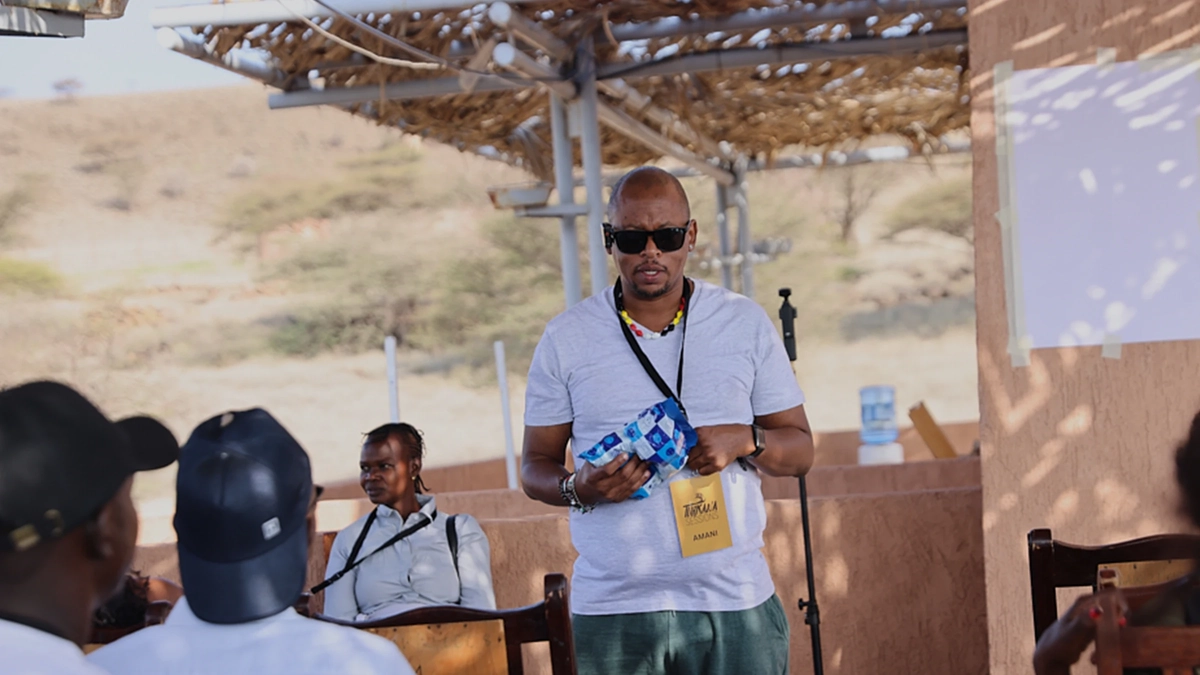
Amani Maraga (Pitstop), Lemarti Lemar & Maich Blaq (Lemarti Music Band)